Get Healthy!
- Posted May 5, 2026
Ozempic Can Curb Cravings in Alcohol Use Disorder, Landmark Trial Finds
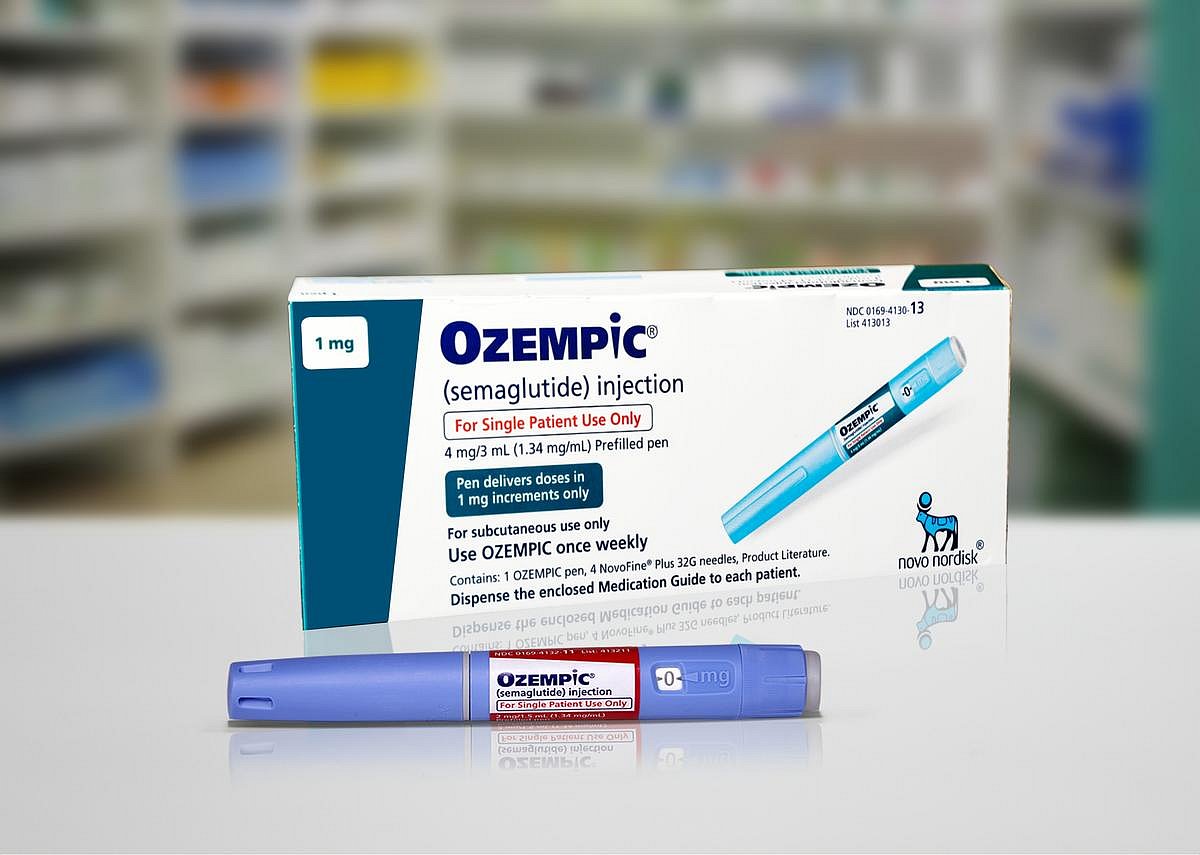
Ozempic can help people who are battling alcoholism, a major new clinical trial has concluded.
People with alcohol use disorder taking semaglutide (Ozempic/Wegovy) had significantly fewer heavy drinking days compared to patients assigned a placebo, researchers reported May 2 in The Lancet.
People on semaglutide also drank less alcohol and had fewer drinks per day, the study found.
“To our knowledge, this randomized controlled trial is the first to show that once-weekly semaglutide reduces heavy-drinking days and … drinking-risk levels in treatment-seeking patients with alcohol use disorder ...” concluded the research team led by senior researcher Dr. Anders Fink-Jensen, a clinical professor at Mental Health Center Copenhagen in Denmark.
For the trial, researchers randomly assigned half of a group of 108 people with obesity and alcohol use disorder to receive weekly injections of either semaglutide or a saline placebo.
Overall, 88 participants stuck with the 26-week study, researchers said.
By the end, people taking semaglutide had experienced a 41% reduction in their heavy drinking days, compared to a 26% reduction among people getting the placebo.
Their average alcohol consumption also declined more – 1,550 grams of alcohol per month compared with 1,026 grams for those on placebo.
Likewise, they had a greater decrease in average daily drinks, a drop of 3.5 units of alcohol compared with a 2.1-unit decline among placebo patients.
“These data, when added to the growing evidence, demonstrate the potential of (GLP-1 drugs) as a novel treatment for alcohol use disorder,” researchers concluded.
Glucagon-like peptide-1 (GLP-1) drugs mimic the GLP-1 hormone, which helps control insulin and blood sugar levels, decreases appetite and slows digestion of food.
There are a couple of ways that GLP-1 drugs might influence a person’s alcohol use, said Dr. Manassa Hany, director of addiction psychiatry at Zucker Hillside and South Oaks hospitals at Northwell Health in New York City.
“We had been hearing anecdotally from patients that, ‘I started taking this medicine and now I'm not drinking alcohol as much as I used to,’ ” he said.
Ozempic could be working centrally in the brain to reduce cravings associated with the dopamine hit provided by alcohol, Hany said.
This causes the patient to “not have the same pleasure that they usually have, and as a result will reduce the amount of alcohol they consume,” he said. “Cravings are mostly a centralized function of the brain.”
GLP-1 drugs also might help by “reducing or delaying the emptying time of the stomach,” Hany said.
“After we eat or fill the stomach, the stomach empties its content to the intestine, and this medicine makes this process slower,” Hany said. “As a result, you don’t feel like you want to eat anymore. That leads the person to cut calorie intake and therefore reduces their weight.”
Alcohol also contains calories.
“When we reduce alcohol consumption, we reduce calories,” Hany said. “So that can also be one of the reasons that this particular medicine can help from a standpoint of a mechanism of action.”
Hany called the study a “landmark” and a “gamechanger” for people battling alcohol use disorder.
“We have three drugs that we use for alcohol use disorder. They have different mechanisms of action than what this medicine is. So it's a novel approach to address an alcohol use disorder,” Hany said.
The next step, he said, should be to seek U.S. Food and Drug Administration approval, providing “another tool to prescribe to our patients and to help them when they need it.”
More information
The University of Colorado Anschutz has more about semaglutide and alcohol cravings.
SOURCES: The Lancet, April 30, 2026; Dr. Manassa Hany, director of addiction psychiatry, Zucker Hillside and South Oaks hospitals, Northwell Health, New York City


